
LEARN / GRIT GUIDE
What grit to use.
To get the most out of your BLSTR sander, use the right grit. You can purchase our grit (due to weight, we only deliver in selected countries) or you can order it via Amazon.
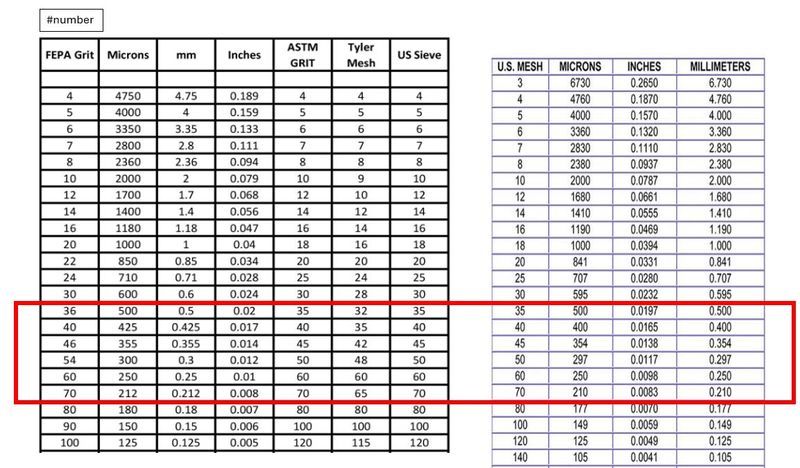
Grit size reference
BLSTR sander
To get the most out of your BLSTR sander, use the right grit. You can purchase our grit (due to weight, we only deliver in selected countries) or you can order it via Amazon.
Our BLSTR sander is designed to perform in the same class as a 100 L, 10 bar compressor with a blast gun. It is not a substitute for a high-throughput blast pot: removing powder coating from metal is demanding work here, exactly as it is with that compressor setup. Where BLSTR wins is localized work — spot repair, welds, edges and hard-to-reach areas — without mobilising a full blasting rig.
To get acquainted with the BLSTR sander, we recommend starting on larger surfaces such as painted wood, metal, or even simple cardboard. This will allow you to observe how the beam impacts the surface, providing a better understanding of its capabilities.
All of our demonstration videos are genuine, showcasing what your BLSTR sander can and should achieve. However, keep in mind that various factors will influence the outcome, including the type of old paint used, the number of layers, and the thickness of these layers.
Grain size is only half the story: how hard the abrasive is decides how aggressive it behaves on a given surface. The comparison table further down this page sets the hardness of each abrasive side by side — the higher the number, the harder the grit.
See the demonstration videos › Matching accessories and where to buy them ›
Good luck — and happy BLSTing.
The service life of the ceramic wear parts depends largely on the type of abrasive media used.
Two ceramic parts inside the head are subject to wear: the inner ceramic ring and the ceramic blast wheel. Both are built to withstand continuous abrasion but will wear gradually during normal use. They are not serviced separately — the complete head is the replaceable part.
Soft abrasives, such as walnut shell and soda, cause very little wear, resulting in a very long service life.
Hard industrial abrasives, such as steel grit or aluminium oxide (corundum), are considerably more abrasive. When using these media, the ceramic components may require replacement after approximately 7 operating hours, depending on the operating conditions.
The wear rate depends primarily on the hardness and abrasiveness of the blasting media.
The operating hours stated above are typical values only and must not be interpreted as a guaranteed service life.
Actual wear depends on many factors, including the abrasive media used, particle hardness, particle shape, grain size, abrasive flow rate, operator technique, the workpiece material, the application and the intensity of use.
Even the recommended BLSTR sander Grit is a natural mineral abrasive. Although it is carefully selected to meet our specifications, slight variations in mineral composition, particle shape, hardness and abrasiveness can occur between different production batches or extraction sources. These natural variations may influence the wear rate of the ceramic components.
In addition, ceramic is an extremely wear-resistant but inherently brittle material. The service life of ceramic components may also be affected by handling, impact loads, environmental conditions, temperature and humidity.
For these reasons, the operating hours stated above should be regarded as an indication only. Users should always inspect the ceramic wear parts regularly and replace them whenever excessive wear or damage becomes visible, regardless of the number of operating hours.

Check the ceramic before every session. Once the ceramic layer is worn through, continued use damages parts that are not built to wear — and may affect warranty coverage.

Worn past this point the head can no longer be used, and cannot be repaired.
Before every blasting session, always inspect the ceramic wear parts for excessive wear, cracks, chips or other visible damage. Particular attention should be paid to the inner ceramic ring and the ceramic blast wheel.
If clear wear marks, deep grooves, cracks or broken edges are visible, the worn components must be replaced before operating the BLSTR sander.
The ceramic components are consumable wear parts and are therefore not covered by the product warranty.
Continued operation with excessively worn ceramic components may result in further damage to the machine and may cause parts of the ceramic components to break during operation.
To open the machine for cleaning or replacement of wear parts, please refer to the "Open Top Cover for Cleaning" section in the User Manual.
The correct abrasive depends on the substrate, the material or coating to be removed, the required removal speed and the desired surface profile. This practical comparison shows the suitability of commonly used blasting media for different surfaces.
More green dots indicate stronger overall suitability for the substrate.
| Abrasive medium | Steel | Stainless steel | Aluminium | Wood | Stone & brick | Concrete | Glass | Typical application |
|---|---|---|---|---|---|---|---|---|
| Aluminium Silicate | Rust removal, coating removal and general surface preparation. | |||||||
| Steel Grit | Heavy corrosion, mill scale, thick industrial coatings and aggressive steel preparation. | |||||||
| Steel Shot | Cleaning, peening and less angular finishing of steel components. | |||||||
| Garnet | Controlled surface preparation and coating removal with low contamination. | |||||||
| Olivine | Mineral blasting medium for steel and selected masonry applications. | |||||||
| Coal Slag | Industrial-use coating removal and aggressive rust removal on carbon steel. | |||||||
| Copper Slag | Industrial blasting, rust removal and preparation of large steel structures. | |||||||
| Nickel Slag | Aggressive industrial cleaning, corrosion removal and coating removal. | |||||||
| Crushed Glass | Paint removal, light corrosion removal and cleaning of stone, brick and concrete. | |||||||
| Glass Beads | Cleaning, satin finishing and peening without producing a sharp anchor profile. | |||||||
| Aluminium Oxide | Hard coatings, etching, aggressive cleaning and precision surface preparation. | |||||||
| Silicon Carbide | Glass etching, stone processing, ceramics and hard-surface finishing. | |||||||
| Walnut Shells | Delicate cleaning without aggressively removing or profiling the underlying surface. | |||||||
| Corn Cob | Gentle cleaning, drying and polishing of wood and other delicate substrates. | |||||||
| Plastic Media | Aircraft, automotive and composite coating removal where substrate protection is critical. | |||||||
| Sodium Bicarbonate | Fire-damage cleaning, soot removal, degreasing and delicate restoration work. |
This comparison describes the intrinsic environmental characteristics of clean, unused abrasive media. After blasting, the removed paint, coating, oil, corrosion residue or heavy metals may become the determining factor for waste classification.
| Abrasive medium | Composition | Biodegradable | Impact on soil | Impact on water | Heavy-metal risk | Environmental comment |
|---|---|---|---|---|---|---|
| Aluminium Silicate | Aluminosilicate mineral | No | Low | Low | Low | Stable mineral abrasive with generally low intrinsic environmental impact. It remains as mineral residue and does not biodegrade. |
| Steel Grit | Carbon steel | No | Low | Low | Low | Uncontaminated particles gradually oxidise into iron oxides. |
| Steel Shot | Carbon steel | No | Low | Low | Low | Similar environmental characteristics to steel grit when clean. |
| Garnet | Natural garnet mineral | No | Very low | Very low | Very low | Naturally occurring, chemically stable and generally considered inert when uncontaminated. |
| Olivine | Magnesium iron silicate | No | Very low | Very low | Very low | Natural mineral abrasive with low intrinsic environmental concern. Residue remains as mineral particulate. |
| Crushed Glass | Recycled glass | No | Very low | Very low | Very low | Chemically stable and commonly produced from recycled glass. It should still be collected to avoid persistent particulate residue. |
| Glass Beads | Glass | No | Very low | Very low | Very low | Stable glass medium with a low intrinsic environmental impact. Small beads should be collected afterwards to avoid dispersal. |
| Aluminium Oxide | Al₂O₃ | No | Very low | Very low | Very low | Extremely stable ceramic abrasive with a low leaching potential. |
| Silicon Carbide | SiC | No | Very low | Very low | Very low | Hard and chemically stable ceramic abrasive with low intrinsic leaching potential. |
| Walnut Shells | Organic biomass | Yes | Very low | Very low | Very low | Biodegradable when clean and uncontaminated. Once mixed with hazardous coating residue, it must be treated according to the contamination present. |
| Corn Cob | Organic biomass | Yes | Very low | Very low | Very low | Renewable and biodegradable when free from paint, oils and hazardous residues. |
| Plastic Media | Plastic polymers | No | High | High | Low | Persistent plastic particles can remain in soil or water and may contribute to microplastic pollution. Collecting all spent abrasive afterwards is strongly recommended. |
| Sodium Bicarbonate | NaHCO₃ | Dissolves in water | Low | Moderate | Very low | Water-soluble, but large quantities may alter local water chemistry, alkalinity or pH and may affect vegetation. |
| Copper Slag | Copper-smelting slag | No | Moderate | Moderate | Moderate | May contain residual metals depending on origin, composition and production control. Supplier documentation and leaching data should be reviewed. |
| Nickel Slag | Nickel-smelting slag | No | Moderate | High | High | May present greater metal-leaching concerns than most natural mineral abrasives. Composition can vary significantly by source. |
| Coal Slag | Coal-combustion slag | No | Moderate | High | High | Composition can vary and may include trace metals such as arsenic, chromium, lead or other elements. Environmental performance depends strongly on product quality and supplier control. |
The removed material usually determines the final waste classification.
Even an environmentally inert abrasive can become contaminated after removing lead-based paint, anti-fouling coatings, rust, oils, industrial chemicals or heavy metals. The spent abrasive should therefore always be collected, assessed and disposed of in accordance with applicable local environmental and waste regulations.
| Abrasive | Mohs hardness | Typical profile | Dust generation | Relative cost | |
|---|---|---|---|---|---|
| Steel Grit | 7-8 | ★★★★★ | ★☆☆☆☆ | ★★★★☆ | ★★★★☆ |
| Steel Shot | 7-8 | ★★★☆☆ | ★☆☆☆☆ | ★★★★☆ | |
| Aluminium Silicate | 7 | ★★★★☆ | ★★★☆☆ | ★★☆☆☆ | |
| Coal Slag | 6-7 | ★★★★☆ | ★★★★☆ | ★☆☆☆☆ | |
| Copper Slag | 6-7 | ★★★★☆ | ★★★★☆ | ★★☆☆☆ | |
| Nickel Slag | 6-7 | ★★★★☆ | ★★★★☆ | ★★☆☆☆ | |
| Garnet | 7-7.5 | ★★★★☆ | ★★☆☆☆ | ★★★★☆ | |
| Crushed Glass | 6 | ★★★☆☆ | ★★★☆☆ | ★★☆☆☆ | |
| Glass Beads | 5.5-6 | ★☆☆☆☆ | ★☆☆☆☆ | ★★★★☆ | |
| Aluminium Oxide | 9 | ★★★★★ | ★★☆☆☆ | ★★★★★ | |
| Silicon Carbide | 9-9.5 | ★★★★★ | ★★☆☆☆ | ★★★★★ | |
| Walnut Shells | 3.5 | ★☆☆☆☆ | ★★☆☆☆ | ★★★☆☆ | |
| Corn Cob | 4 | ★☆☆☆☆ | ★★☆☆☆ | ★★★☆☆ | |
| Plastic Media | 3-4 | ★☆☆☆☆ | ★☆☆☆☆ | ★★★★★ | |
| Sodium Bicarbonate | 2.5 | ☆☆☆☆☆ | ★★★☆☆ | ★★★☆☆ |
This guide provides a general comparison of commonly used abrasive media. Actual performance depends on particle size, particle shape, purity, blasting pressure or wheel speed, substrate material, coating type, operating technique and local environmental regulations. Always consult the abrasive supplier's Technical Data Sheet (TDS) and Safety Data Sheet (SDS) before selecting an abrasive.
Get the best performance from your BLSTR sander by using the right grit. You can order our official BLSTR sander grit directly from us (delivery only available in selected countries) or through Amazon.

Because of its weight, we ship our grit from local Amazon warehouses. You can find it on the following Amazon stores, most of which also deliver to neighbouring countries.
We collected a list of links for you to get the best out of your BLSTR sander.
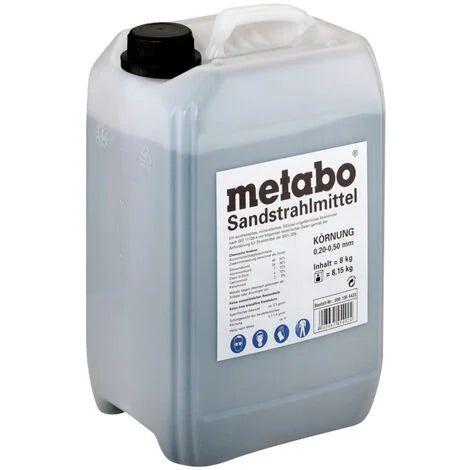
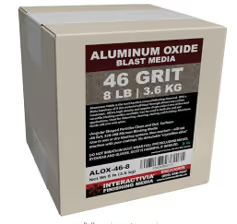
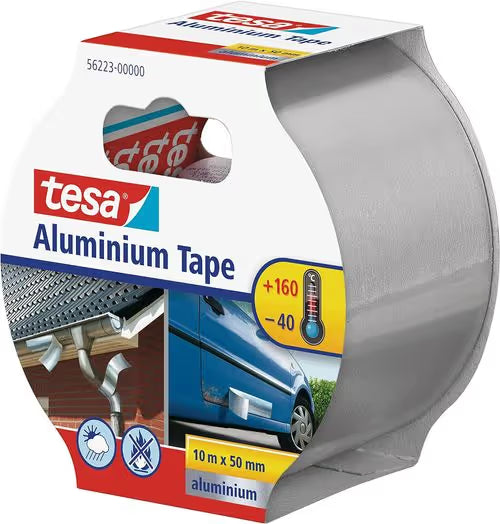
cover the 'not to be blasted' areas (2 layers minimum)
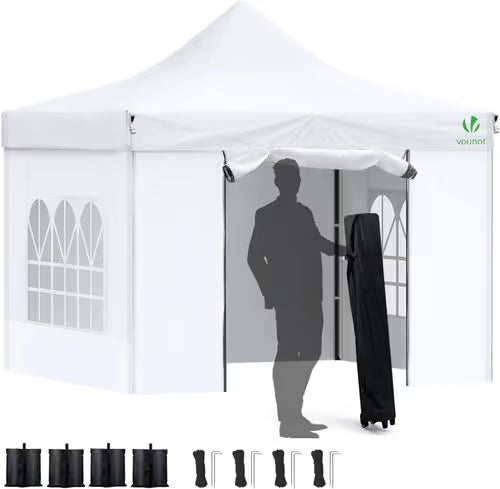
create your own outside sandblast cabin
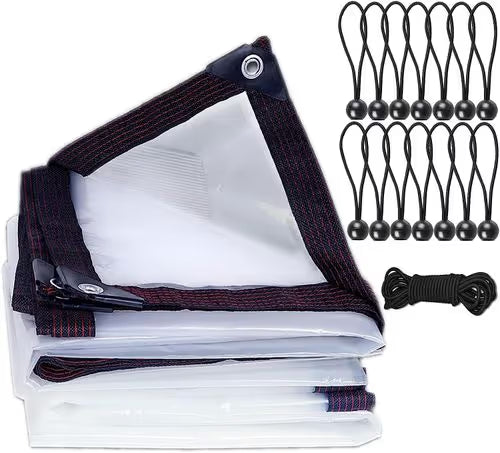
contain the sandblast area
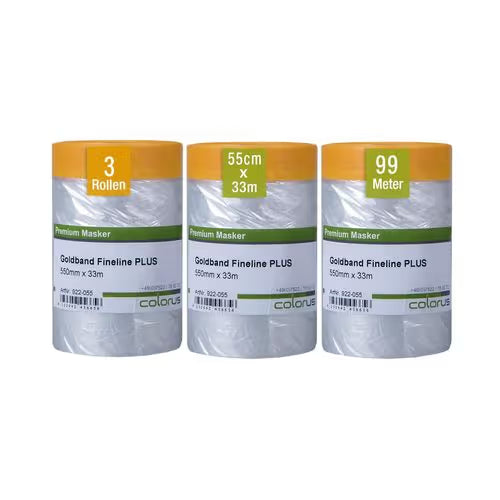
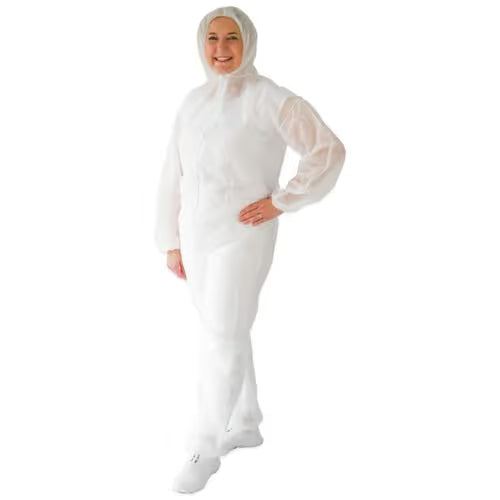
cover areas against dust
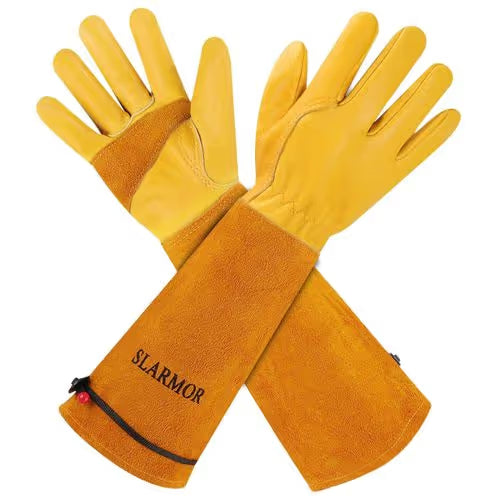
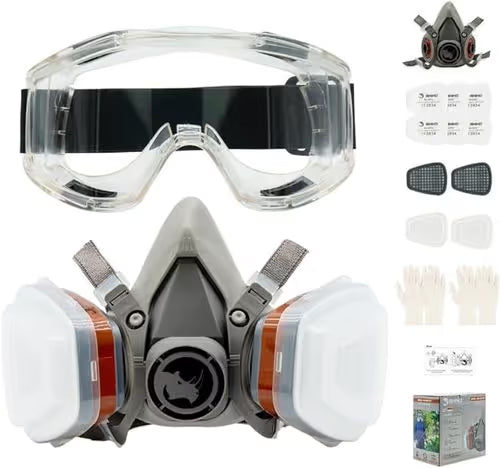
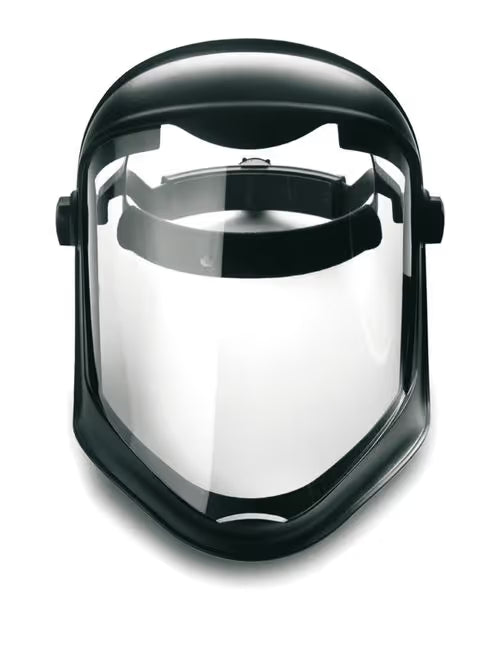
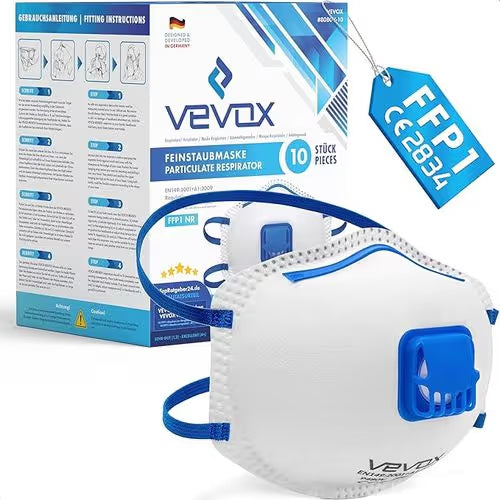
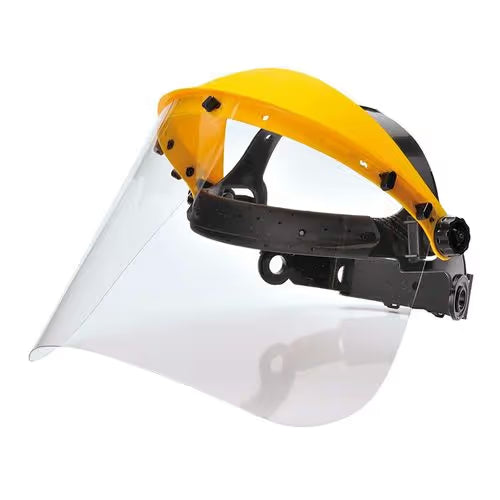
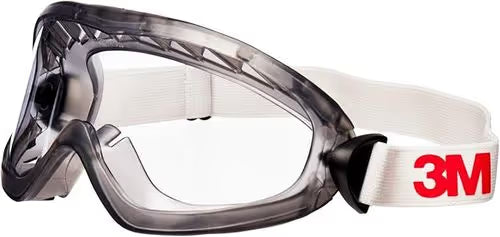
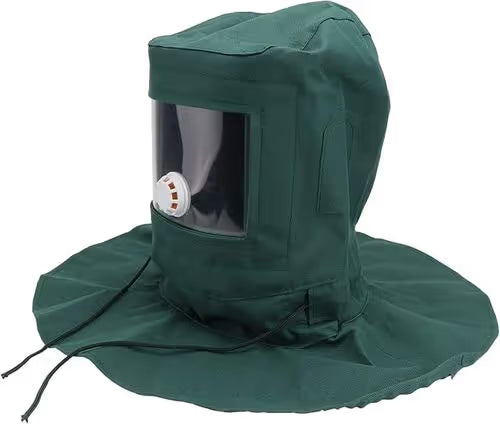

The right grit makes the difference. Shop the official BLSTR sander abrasive, matched to your sander.
Shop BLSTR sander GritPersonal support. Spare parts are available for intensive industrial use — everyday jobs rarely need them.
BELGIAN ENGINEERINGDESIGNED · DEVELOPED · SHIPPED FROM BELGIUM
Handheld electric sandblasting. No compressor, no blast pot — from home projects to industrial maintenance.
